View All
Bozeman Real Estate Market
Development
Bozeman Business
Bozeman Neighborhoods
Get Outside
Moving to Bozeman
Retiring in Bozeman
Just for Fun
The Selling Side
The Buying Side
Bozeman Nonprofits
Affordable Housing
Community Events
Living in Bozeman
Belgrade Real Estate
Livingston Real Estate
Manhattan Real Estate
Three Forks Montana Real Estate
Big Sky Real Estate
Moving to Montana
Home Ownership
Living in Montana
Bozeman Real Estate Group
Belgrade, MT
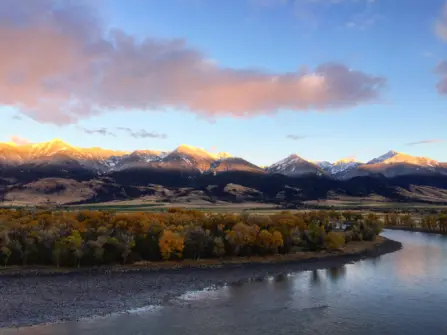
Located about 25 miles east of Bozeman, Livingston sits along the Yellowstone River with mountain views, historic buildings, local shops, and quick access to Paradise Valley.
It has a distinctly different feel than nearby Bozeman, with a historic downtown, a strong arts community, and a slower pace that appeals to people who want something a little less polished and a little more old-school Montana. For some people, Livingston is a quieter and more affordable alternative to Bozeman. For others, Livingston is the place they wanted all along.
But before you pack up and move, there are a few things you should know. The commute, the wind, the housing market, and the town’s strong local identity all play a big role in what it is actually like to live in Livingston year-round.
1) The commute to Bozeman can be harder than it looks
On paper, Livingston is close to Bozeman. The drive is roughly 25 miles, and when the roads are clear, you can usually make the trip in about 30 minutes. That makes Livingston appealing for people who work in Bozeman but want a smaller-town setting, more space, or a different price point.
The drive between Livingston and Bozeman is through a winding mountain pass that is highly susceptible to dangerous driving conditions. High winds, white-outs, or snow and ice, often turn a quick 30-minute drive into a white-knuckle ordeal. But, we don't think you should cross Livingston off your list if you work in Bozeman. Plenty of people make the commute every day. But, you should know that this is not the same as a 30-minute commute in a mild-weather city.
Pro tip: If you are seriously considering Livingston and plan to commute to Bozeman, drive the pass in the winter before you make your decision. It may still feel completely worth it, but it is better to know what that drive feels like in January, not just in July.
2) Livingston is its own town, not just a Bozeman backup plan
One of the biggest mistakes people make is treating Livingston like a bedroom community for Bozeman. Yes, some people live in Livingston and work in Bozeman. Yes, the two towns are close enough that people compare them often. But Livingston is not just “Bozeman, but cheaper.”
Livingston has its own rhythm, its own longtime locals, its own arts scene, and its own very strong sense of identity. People who love Livingston usually love it because it is not trying to be Bozeman. The pace is different, and the town still has a little grit to it in the best way. You will find historic homes, railroad history, artists, anglers, ranching families, remote workers, retirees, and people who have been in Park County for generations.
It can also be an adjustment for people who are looking for all of Bozeman’s conveniences at a lower price. Livingston has great local restaurants, shops, schools, parks, and services, but it does not have the same scale of retail, healthcare, nightlife, or job options as Bozeman.
If you want Livingston to feel like a smaller version of Bozeman, you may be disappointed. If you want Livingston for Livingston, you will probably understand the appeal pretty quickly.
3) Housing is less expensive than in Bozeman, but not exactly cheap
Livingston is often more affordable than Bozeman, but that does not mean it is inexpensive. For many buyers, Livingston can offer a lower overall price point, especially compared to Bozeman’s more competitive neighborhoods. But if you want a single-family home with a yard, or land with mountain views, prices can still climb quickly.
Inventory can also be limited, which means buyers may not always have a long list of options. Livingston is a smaller market, and when a well-priced home comes up in a desirable location, it can move quickly.
Livingston’s housing stock is different from Bozeman’s, too. You will find older historic homes near downtown, smaller homes on established streets, newer subdivisions, rural properties outside city limits, and larger homes or land in Paradise Valley.
Each option comes with its own tradeoffs. An older home may have more character, but it may also come with older plumbing, windows, electrical, or maintenance needs. A rural property may give you space and views, but it may also involve wells, septic systems, road maintenance, irrigation, or longer drive times. That does not mean those properties are not worth it. It just means you should know what you are buying before you fall in love with the views (which are stunning).
➡️ Want a closer look at real estate prices in Livingston? Click here.
4) The wind is part of daily life
If you have spent time in Livingston, you already know about the wind. Livingston is known for it, especially during the fall, winter, and early spring months.
The strong winds are a result of cool air from Yellowstone National Park’s high plateau meeting warmer air in lower elevations, funneling directly through Paradise Valley into Livingston. The average wind speed is typically between 8 to 10 miles per hour, but can easily reach up to over 50 miles per hour.
Those averages still do not fully explain what the Livingston wind feels like when strong gusts move through town or across the interstate. It can make cold temperatures feel colder, affect driving conditions, and make some outdoor spaces less usable during certain times of the year. For some people, it is just part of living here. For others, it is a dealbreaker.
If you are touring homes in Livingston, pay attention to exposure. A beautiful property with wide-open views may also take the full force of the wind. Fencing, tree cover, garage access, driveway orientation, and outdoor living areas matter more here than people may expect.
5) Livingston has a strong local economy, but job options are different than Bozeman
Livingston has local employers, tourism-related jobs, small businesses, healthcare, schools, trades, hospitality, and some tech-related employment.
Tourism is a big part of Livingston's economy. Between the Yellowstone River, Paradise Valley, nearby hot springs, fishing outfitters, restaurants, hotels, and the route toward Yellowstone National Park, Livingston sees a steady flow of visitors, especially during the warmer months. That supports local businesses, but it also means some jobs and income streams can be seasonal.
PFL, a marketing technology and direct mail company with jobs in the Livingston and Bozeman area, is one of the more notable employers connected to the area. You will also find many people who work remotely, commute to Bozeman, work in the trades, own small businesses, or are connected to tourism, fishing, hospitality, and outdoor recreation. Still, Livingston’s job market is smaller than Bozeman’s.
That does not mean you cannot build a career in Livingston. It just means you should be realistic before moving. If your income depends on finding a very specific local job, the search may be more limited than it would be in Bozeman.
➡️ Ready to explore Livingston? Click here.
6) Outdoor access is one of Livingston’s biggest draws
For many people, Livingston’s outdoor access is the reason they move there. The Yellowstone River runs right through town, and fly fishing, floating, hiking, camping, hunting, skiing, horseback riding, and scenic drives are all part of life in and around Park County.
Paradise Valley is just south of town and offers some of the most recognizable views in Montana. From there, you can continue toward Emigrant, Chico Hot Springs, Gardiner, and Yellowstone National Park.
Livingston is also close enough to Bozeman that you can still reach Bridger Bowl, Bozeman Yellowstone International Airport, Montana State University, and Bozeman’s restaurants and services without feeling completely disconnected.
That balance is a big part of the appeal. You get a smaller town, river access, mountain views, and proximity to Bozeman, without living directly in Bozeman’s faster pace.
A Free Guide to
Moving to Livingston
A practical look at Livingston real estate, local character, neighborhoods, and what day-to-day life is really like.
Not sure which area is the best fit yet?
Browse nearby communities to compare location, lifestyle, and current homes for sale.