View All
Bozeman Real Estate Market
Development
Bozeman Business
Bozeman Neighborhoods
Get Outside
Moving to Bozeman
Retiring in Bozeman
Just for Fun
The Selling Side
The Buying Side
Bozeman Nonprofits
Affordable Housing
Community Events
Living in Bozeman
Belgrade Real Estate
Livingston Real Estate
Manhattan Real Estate
Three Forks Montana Real Estate
Big Sky Real Estate
Moving to Montana
Home Ownership
Living in Montana
Bozeman Real Estate Group
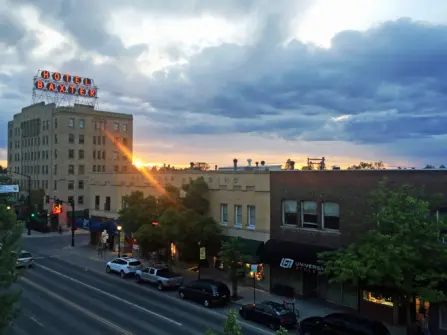
Relocating to Bozeman, Montana: What to Know Before You Move
On Feb 03, 2026
Relocating to Bozeman isn’t a decision to take lightly. While the area offers incredible access to the outdoors, a strong sense of community, and a slower pace of life, daily living here comes with real trade-offs that often surprise newcomers. Long winters, limited transportation options, and high housing costs are all part of the equation. Knowing what to expect before you move can make all the difference.
What Should You Know About Bozeman’s Weather Before Moving?
Bozeman winters are long and can be cold and snowy, especially compared to milder climates. Snow often arrives in the fall and can linger well into spring, and while summer snow isn’t common, sudden weather shifts are always possible. That said, not every winter is extreme—recent years have included stretches of relatively mild weather alongside colder periods.
If you’re relocating to Bozeman, be ready to embrace winter and everything that comes with it. Luckily, winter recreation here is world-class, and those bluebird days make it all worth it. Need tips for your first season? Check out our winter survival guide.
How Expensive Is It to Live in Bozeman?
Bozeman is among the more expensive places to live in Montana, particularly when it comes to housing. Home prices and everyday costs are higher than many newcomers expect, especially compared to other parts of the state. Housing is the biggest factor, but goods and services also tend to cost more than in smaller or more rural Montana communities.
That said, affordability can vary depending on lifestyle, location, and timing. Some buyers choose to look in nearby communities where prices may stretch further, while still remaining within commuting distance of Bozeman. Exploring current market conditions and surrounding areas can help clarify what’s realistic for your budget. To see current home prices in Bozeman and nearby communities, click here.
Has Bozeman’s Growth Changed the Town?
Yes, Bozeman has changed significantly over the past several years. Growth has accelerated as tech companies, remote workers, and a growing Montana State University population have all contributed to a larger, more active community. With that growth, Bozeman has faced many growing pains, including increased traffic, high housing costs, and busy trailheads - to name a few.
While Bozeman no longer feels like a hidden gem, it continues to offer a high quality of life, strong access to the outdoors, and a close-knit community by city standards. For those seeking something quieter, nearby Montana towns may offer a smaller-scale lifestyle while remaining within reach of Bozeman’s amenities.
Is Bozeman Still a Safe Place to Live?
Bozeman is generally considered a safe place to live, especially compared to many cities of similar size. Like most growing communities, increased population has brought more activity, and with it, some increase in reported crime, but that trend mirrors growth patterns seen across the region.
For most residents, safety concerns are similar to those in other small cities: being aware of surroundings, locking vehicles, and using common sense. Overall, Bozeman continues to feel welcoming and community-oriented, and many people choose to live here specifically because it still offers a strong sense of safety alongside its quality of life.
What Kind of Jobs Are Available in Bozeman?
Bozeman’s job market is anchored by education, healthcare, and a growing professional services sector. Major employers include Montana State University and Bozeman Health, alongside a mix of established tech companies and locally founded startups. The area has also developed a strong remote-work presence, with many residents working for employers based outside Montana.
The town's small business scene and tourism economy keep demand steady for roles in hospitality, retail, construction, and services. But here's the reality: making it work in Bozeman often requires flexibility. Many residents piece together careers through a mix of seasonal work, remote gigs, or multiple income streams to afford the lifestyle that drew them here in the first place. Learn more about the largest employers in Bozeman.
How Are the Schools in Bozeman?
Bozeman is widely regarded as having some of the strongest public schools in Montana. The Bozeman School District serves the community with a range of elementary, middle, and high school options, along with robust programs in academics, athletics, music, and the arts. Families are often drawn to the district for its reputation, community involvement, and access to extracurricular opportunities.
In addition to public schools, Bozeman offers several private education options, including Petra Academy, Headwaters Academy, and Heritage Christian School. As with most growing communities, availability and enrollment can vary, so researching options early is recommended for families planning a move. Learn more about schools in Bozeman here.
What Are the Healthcare Options in Bozeman?
Bozeman offers a strong range of healthcare services for a community of its size. The area is anchored by Bozeman Health, which provides hospital care, primary care, and a variety of specialty services through multiple facilities, including Bozeman Health Deaconess Hospital. In recent years, the addition of Billings Clinic has expanded access to providers and specialty care.
From primary care and urgent care to specialty clinics and senior living services, most day-to-day healthcare needs can be met locally. As with many growing communities, some specialties may involve longer wait times or referrals to larger regional centers, so establishing care early is often recommended for those relocating to Bozeman.
What Kind of Recreation Is There in Bozeman?
Outdoor recreation is a major part of life in Bozeman and one of the main reasons people choose to live here. In the winter, residents take advantage of nearby skiing at Bridger Bowl, along with snowshoeing, sledding, ice fishing, and Nordic skiing. Warmer months bring hiking, camping, fly fishing, golfing, and rock climbing, with easy access to incredible places like Hyalite Canyon and the surrounding Gallatin Range.
Recreation in Bozeman isn’t just something you do every now and then; it’s woven into everyday routines. Whether that means a quick trail run after work or a weekend spent in the mountains, living here naturally pulls people outside. For many newcomers, that access to open space and year-round recreation becomes one of the biggest benefits of life in Montana. Learn more about getting outside in Bozeman here.
What About Transportation in Bozeman?
Most residents rely on a car to get around Bozeman, particularly during the winter months and for trips outside of town. While Bozeman is bike-friendly in warmer seasons and many people bike for commuting or recreation, winter conditions and longer distances make year-round biking less practical for most.
Public transportation is available through the Streamline Bus, which provides free service around Bozeman and to nearby communities like Belgrade, Livingston, and Big Sky. That said, routes and schedules are limited, so transit typically works best as a supplement rather than a full replacement for driving.
For regional and national travel, Bozeman Yellowstone International Airport is located just outside of town and offers direct flights to many major cities, making travel in and out of the area relatively straightforward.
Are There Other Towns Near Bozeman Worth Considering?
Yes! There are several nearby communities that have become popular alternatives to living directly in Bozeman. Belgrade, just 8 miles north of Bozeman, has long been considered a bedroom community, but it has grown into a hub of its own with expanding services, schools, and the fastest access to Bozeman Yellowstone International Airport.
Other nearby towns, including Manhattan, Three Forks, and Livingston, offer distinct character, more space, and in many cases, housing options that stretch further than those in Bozeman. Commutes vary by location and season, but many residents find these communities strike a balance between access to Bozeman and a quieter, more small-town feel. Learning about the surrounding areas can help clarify which location best fits your lifestyle, budget, and tolerance for commuting.
Ready for more?
👉🏻 Get this Free Guide to Moving to Bozeman
👉🏻 Follow us on Instagram
👉🏻 Sign up for our newsletter
More Posts