View All
Bozeman Real Estate Market
Development
Bozeman Business
Bozeman Neighborhoods
Get Outside
Moving to Bozeman
Retiring in Bozeman
Just for Fun
The Selling Side
The Buying Side
Bozeman Nonprofits
Affordable Housing
Community Events
Living in Bozeman
Belgrade Real Estate
Livingston Real Estate
Manhattan Real Estate
Three Forks Montana Real Estate
Big Sky Real Estate
Moving to Montana
Home Ownership
Living in Montana
Bozeman Real Estate Group
Belgrade, MT
Living in Montana: 7 Things You Should Know Before Moving
On Feb 03, 2026
Summary: While the state offers incredible natural beauty and unmatched access to the outdoors, daily life here comes with real trade-offs that often surprise newcomers. For those who value space, wilderness, and a slower pace of life, Montana can be the perfect place. The key is knowing what to expect before making the move.
1. What amenities are limited in Montana?
Montana is a very large state with plenty of wide-open space. Outside of a handful of larger cities, most of Montana is still very rural, to say the least. While it's easy to assume that most towns will have everything you need, daily life in Montana can mean giving up some conveniences people are used to elsewhere.
Easy access to entertainment, public transportation, and conveniences like Uber and DoorDash can be limited, depending on the area of Montana you choose to live in.
2. Is there cell phone service in Montana?
No matter where you live in Montana, it's common to lose cell service when traveling outside of town, especially on road trips or in the mountains. Even with major carriers, there are still large areas of the state with little to no coverage. For people moving from larger metro areas, this can come as a surprise.
Because of this, it's important to plan ahead. Make sure your navigation apps and maps are available offline, and don't plan to rely on cell phone service in remote areas. It's also smart to travel with emergency supplies year-round, in case your car breaksdown or you find yourself stuck in a snowstorm. A true Montanan is always prepared!
3. What is the outdoor recreation like in Montana?
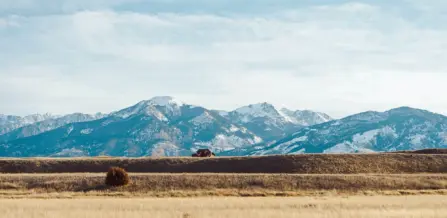
Outdoor recreation is one of Montana's biggest draws for newcomers. From fishing, hiking, and camping to skiing, climbing, and mountain biking, Montana is truly a year-round playground for outdoor enthusiasts. For many people, having easy access to open space and recreation has become a major lifestyle priority, and Montana delivers.
If you decide to move to Montana and want to enjoy all the outdoor activities, please be respectful of our land and wildlife and keep these tips in mind.
4. Is Montana still not crowded?
Montana has long been known for its wide-open spaces and low population density. As one of the largest and least populated states in the country, space has always been easy to find in Montana. But the pandemic led to a noticeable population increase, particularly in communities like Bozeman, Missoula, and Whitefish.
The influx has since cooled, but its effects linger. These towns are undeniably busier than they were a decade ago, with more traffic, busy trailheads, and housing markets that haven't returned to their pre-pandemic norms. Still, Montana remains far less crowded than most of the country. You'll find space here, just not quite as much as the postcards and TV shows might suggest.
5. Is it hard to find a home in Montana?
Montana’s rapid population growth over the past several years put significant pressure on the housing market. Limited inventory and intense competition made buying a home in Montana especially challenging. While housing prices remain high by historical standards, the market has shifted. Many areas, Bozeman included, are seeing homes spend more time on the market, a wider range of inventory, and far less competition than during the peak of the pandemic-driven boom.
For buyers in Montana today, there’s generally more flexibility in negotiations and more time to evaluate options than there was just a few years ago. If you’re looking for clear guidance and a local perspective as you navigate a Montana home purchase, click here.
6. What is the weather really like in Montana?
Montana's weather doesn't coddle newcomers. Expect extreme temperature swings, winters that stretch well into spring, and storms that materialize with little warning. But not every winter lives up to the hype. Some recent years have been surprisingly mild, though locals know better than to pack away their winter gear permanently.
Snow in May? It happens. A cold snap in September? Sure. Some lifelong Montanans will tell you they've seen snow in every month of the year, and they're not exaggerating. If you're coming from a place where the weather is a minor inconvenience, understand that in Montana, it's a factor in nearly every decision!
7. Do you need a car to live in Montana?
In most cases, yes. Montana has minimal public transportation compared to larger cities. A few communities offer local transit, but routes are limited, schedules are sparse, and the systems aren't built for daily dependence.
For the vast majority of residents, a vehicle isn't optional; it's essential. You'll need it for work commutes, grocery runs, and accessing the trails, rivers, and mountains that make Montana worth living in. Without a car, your options become significantly more limited, as many Montana towns are spread out with amenities and recreation areas located well beyond typical walking distance.
Ready for more?
👉🏻 Get this Free Guide to Moving to Bozeman
👉🏻 Follow us on Instagram
👉🏻 Sign up for our newsletter
FAQ's About Moving to Montana
For many people, yes, but it depends on priorities. Montana is a great fit for those who value access to nature, space, and a slower pace of life. It may be less appealing for those who rely heavily on urban amenities, public transportation, or mild weather year-round.
The biggest surprises tend to be the long winters, limited services in rural areas, spotty cell coverage, and how much driving is required when you are living in a rural area.
Affordability varies widely by location. While some parts of the state remain relatively affordable, high-demand areas like Bozeman, Missoula, and Whitefish have higher housing and living costs than many people expect. Groceries, services, and travel can also cost more due to distance from major distribution hubs.
Not necessarily, but access to outdoor recreation is a major part of daily life for many residents. Even if you’re not an avid hiker or skier, living in Montana often means engaging with the outdoors in some capacity, whether that’s walking trails, enjoying open space, or simply adapting to the climate.
Winter can be an adjustment, especially for those coming from milder climates. Cold temperatures, snow, and shorter days are part of the season, though severity can vary year to year. Preparation, like proper clothing, winter-ready vehicles, and flexible expectations can make a significant difference.
In most areas, we wouldn't recomend it. Public transportation is limited, and towns are often spread out. A reliable vehicle is essential for commuting, errands, and accessing recreation, particularly outside of city limits.