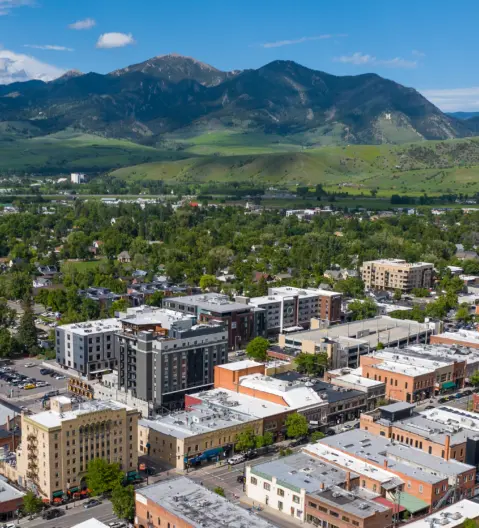
Discover Bozeman, MT
Life in Bozeman is shaped by more than just the views. People are drawn here for the access to recreation, the energy of a growing community, and the balance of small-town character with modern amenities.
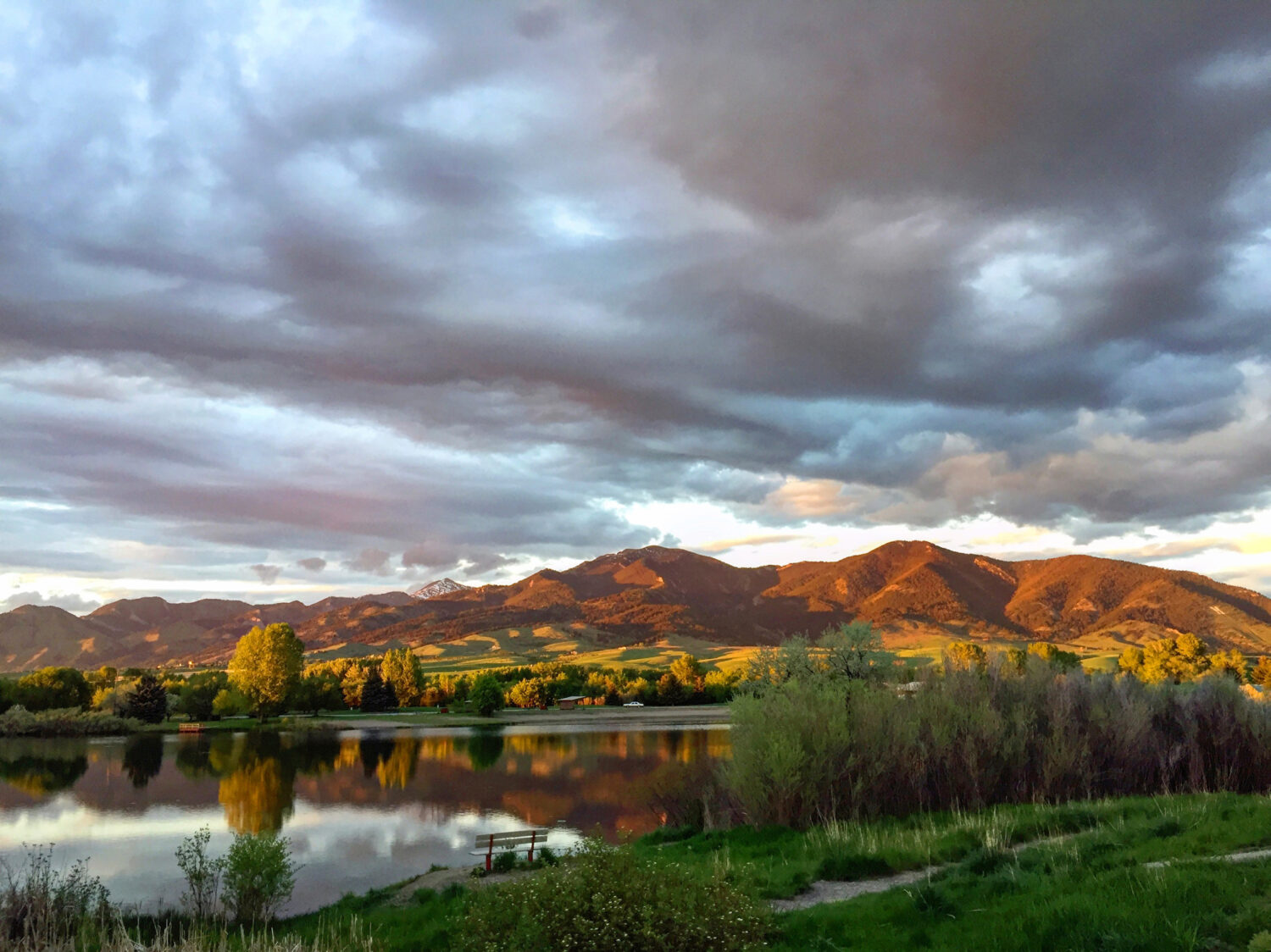
Everything You Need to Explore Bozeman, MT
Whether you are researching neighborhoods, watching the market, or starting a home search, this page brings together the information that matters most.
- Explore homes for sale
- Compare different neighborhoods
- Review market stats
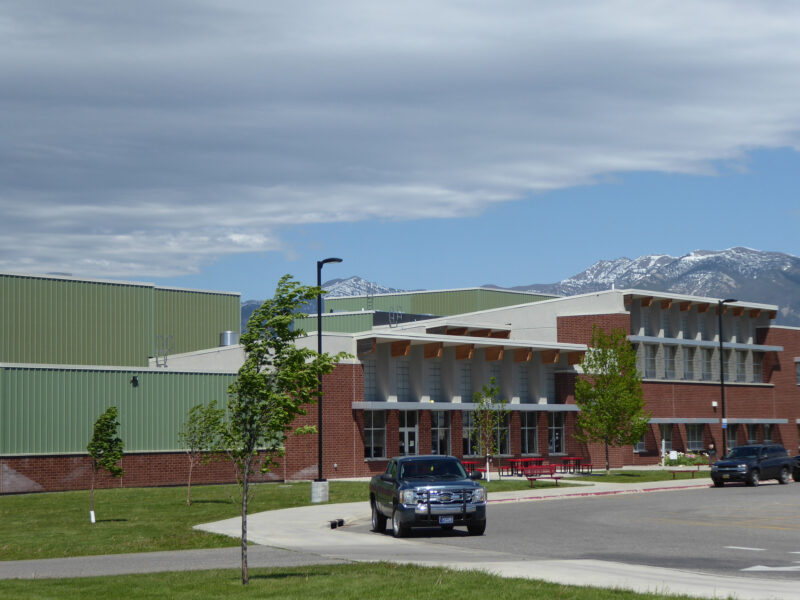
- Learn about school districts
- Download our free guide to moving to Bozeman
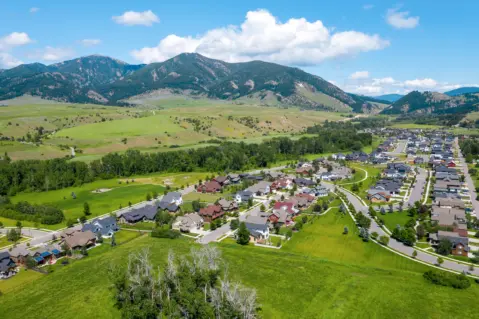
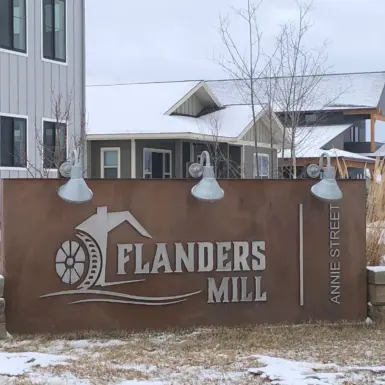
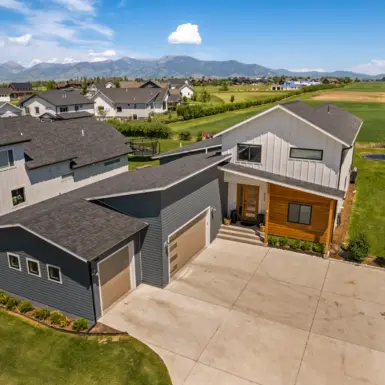
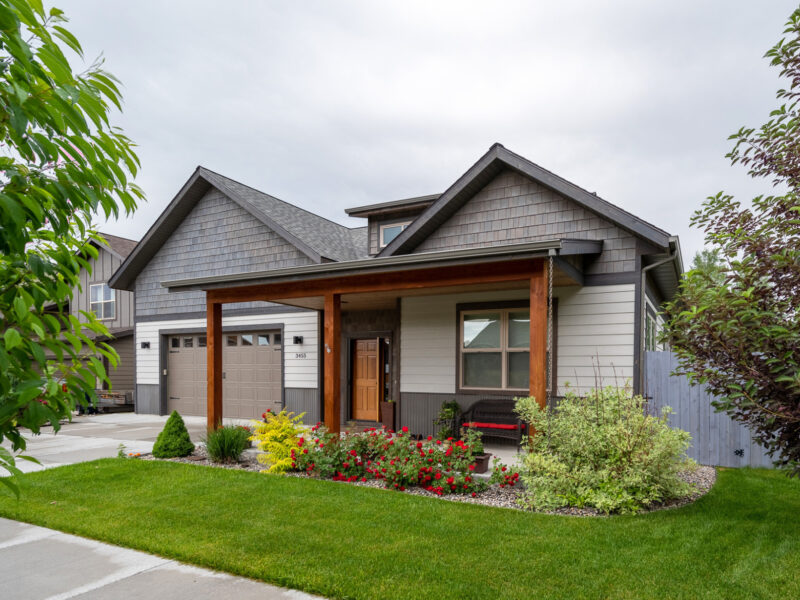
Bozeman’s neighborhoods each offer something a little different, from location and home style to overall feel and pace of life.
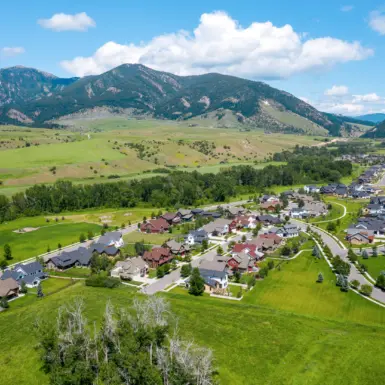
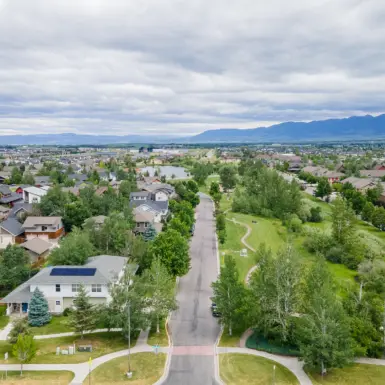
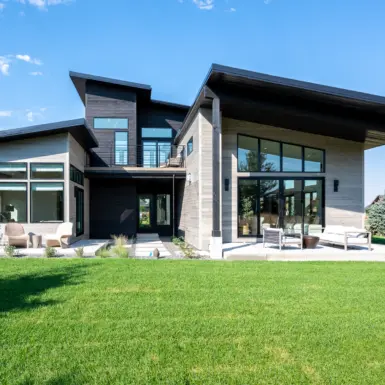
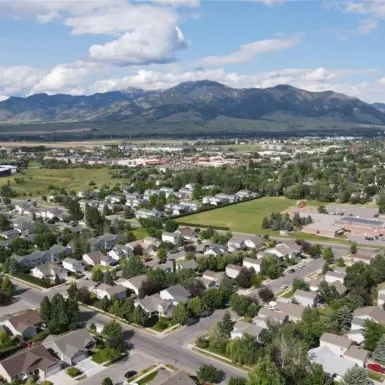


Bozeman Real Estate,
at a Glance

What It’s Like to Live in Bozeman
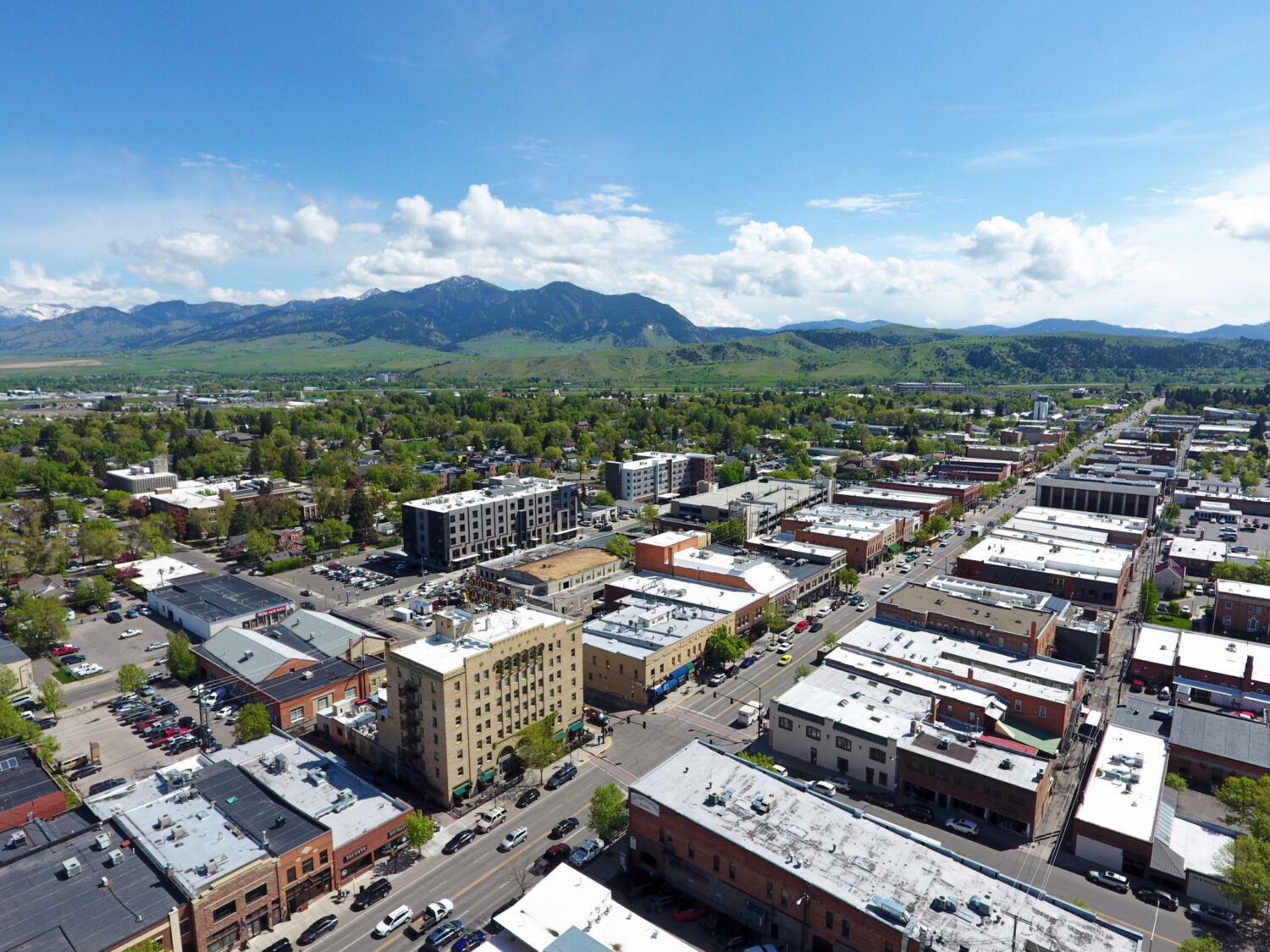
From trail access and ski days to downtown restaurants, great schools, and local events, Bozeman offers a way of life that continues to appeal to people looking for both space and community.
- Miles of trails, rivers, and open space
- A growing food, arts, and local business scene
- Strong schools and community amenities
- Easy access to outdoor recreation
Guide to Moving to Bozeman
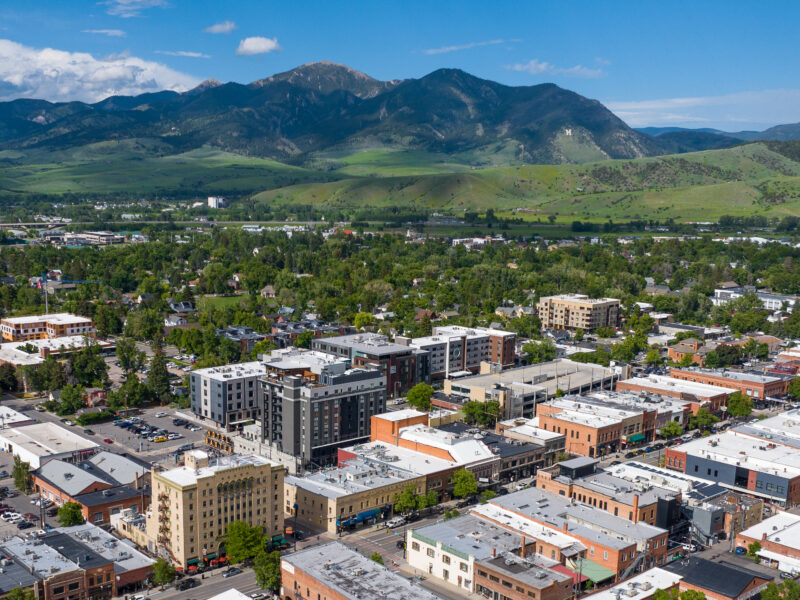
An honest look at housing, cost of living, communities and everyday life in Bozeman.
A Free Guide to Bozeman's
Neighborhoods
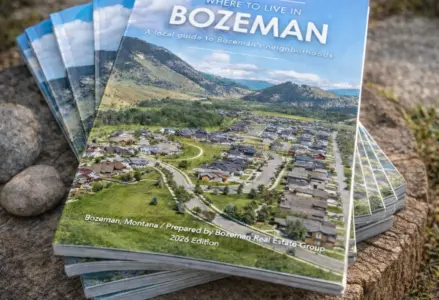
Get a local perspective on Bozeman's neighborhoods. This free interactive guide highlights each area’s character, best subdivisions, new developments, and local living tips.
FAQ's About Bozeman
No. Montana State University is a major part of Bozeman and one of the city’s largest employers, but Bozeman also serves as a regional healthcare hub, a growing center for tech, manufacturing and professional services, and as a popular tourist destination.
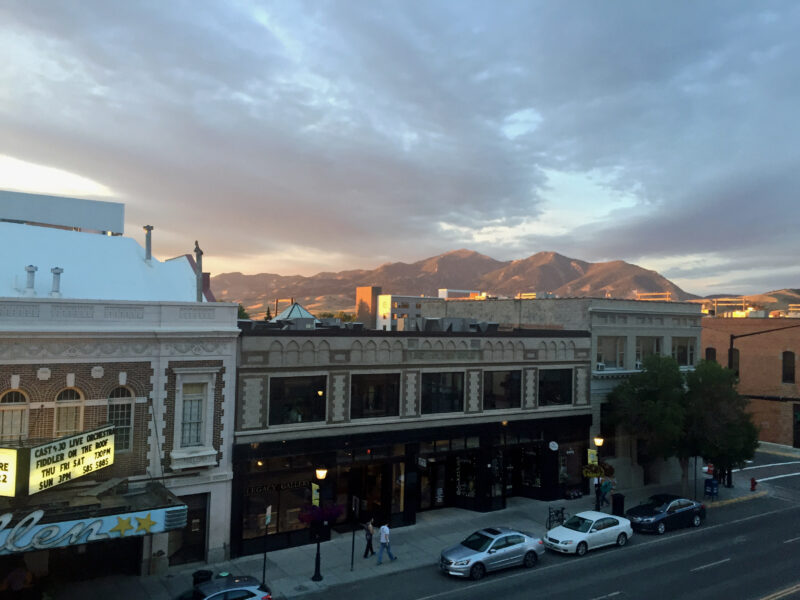
Yes. Downtown Bozeman is one of the city’s defining features, with historic Main Street, local shops, restaurants, galleries, events, and many businesses and services concentrated in the core. It is small by big city standards, but you won't get bored in downtown Bozeman.
Absolutely. Bozeman’s Main Street to the Mountains trail system totals nearly 100 miles, and the city is closely tied to hiking, biking, fly fishing, skiing, and year-round access to nearby mountains, rivers, and open space.
Bozeman is commonly used as a Yellowstone basecamp. It sits between the park’s North and West entrances, and the closest entrance is roughly a 1.5-hour drive from town.
Bozeman is served by Bozeman Yellowstone International Airport, which is about eight miles west of town. The airport handles more than 2 million travelers annually and offers nonstop service to a wide range of year-round and seasonal destinations.
It is both. Bozeman draws visitors because of Yellowstone, skiing, and recreation, but it is also a full-time city with schools, major employers, a busy downtown, local events, and the infrastructure of a growing regional center.
Bozeman has grown significantly over the past several years, but the pace has eased from the rapid expansion seen during and just after COVID. Growth is still shaping the city in visible ways, especially in housing, development, traffic, and the ongoing conversation about how Bozeman changes from here.