Discover Big Sky
Big Sky is one of Montana’s best-known destinations, known for its year-round recreation, luxury amenities, and a setting that puts the outdoors at the center of daily life.Search properties
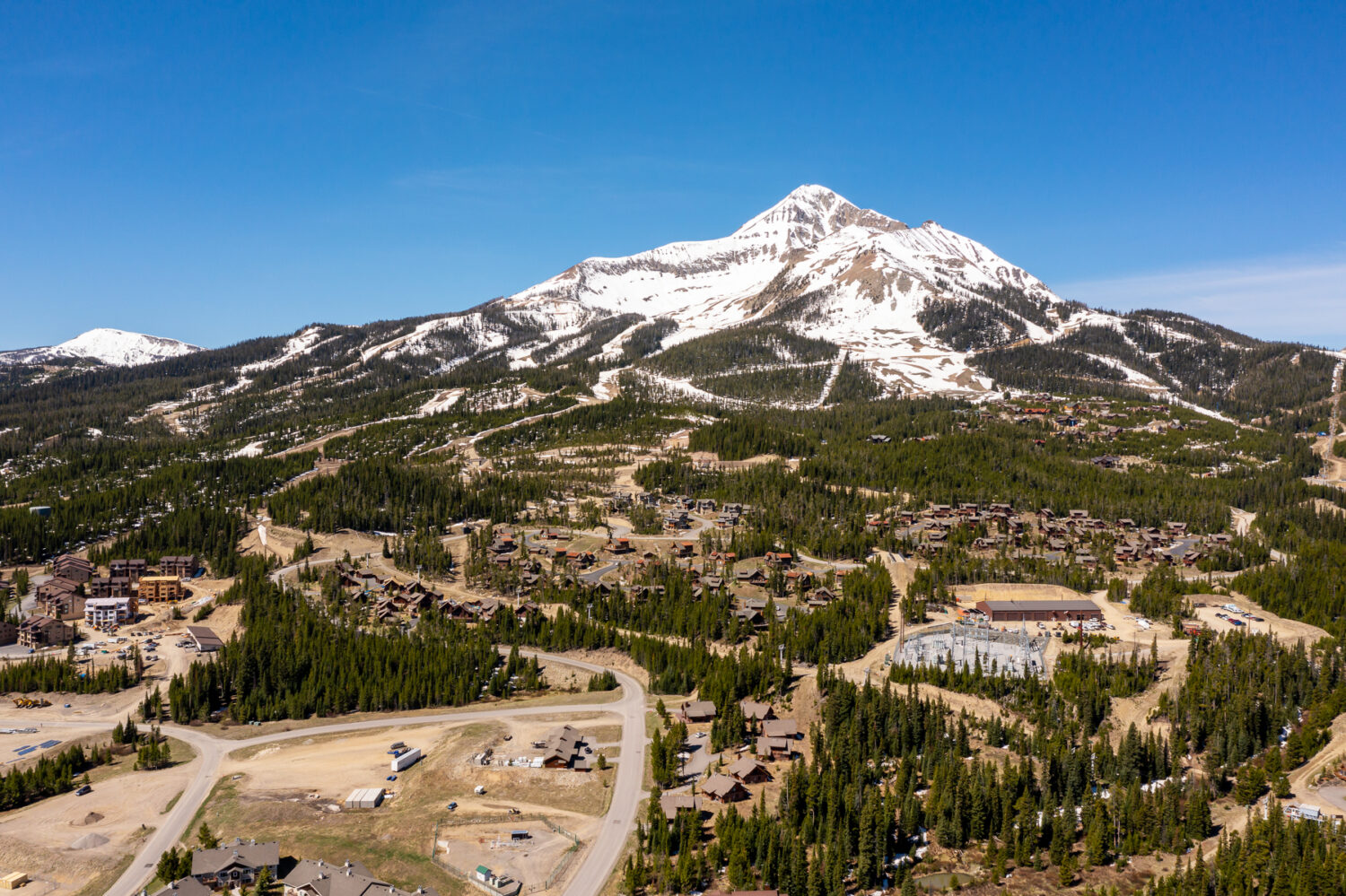
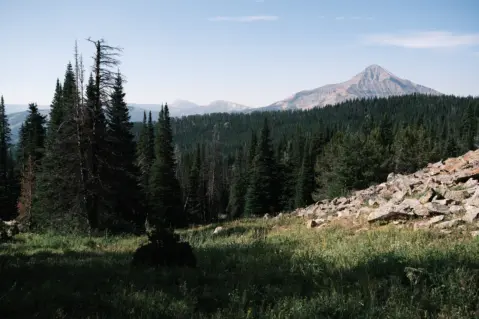
These are some of Big Sky's most searched and talked-about areas — each offering something different, depending on how you want to live.
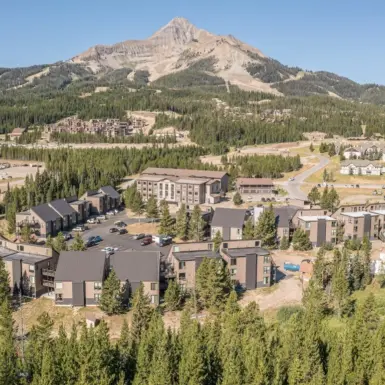
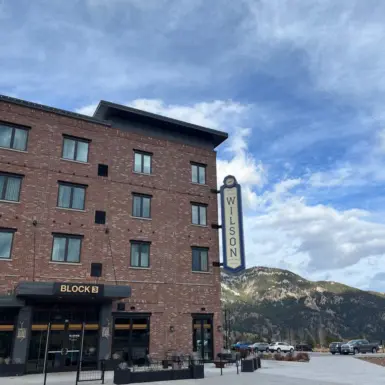


Big Sky Real Estate,
at a Glance

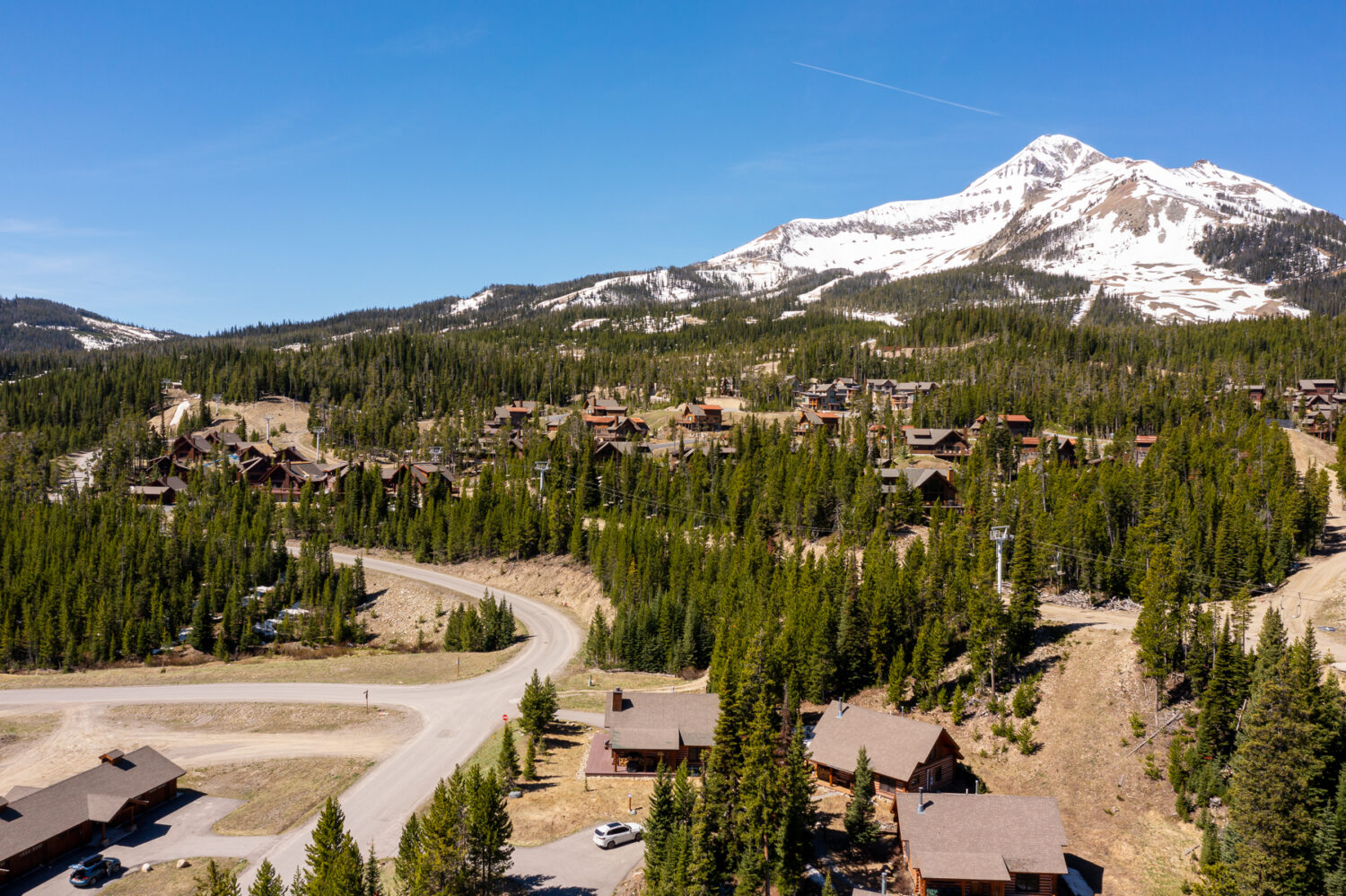
Purchasing Property in Big Sky, MT
For many buyers, it is about securing a place in one of the West's most established resort communities, with direct access to skiing, golf, fly fishing, trails, and a mountain lifestyle that holds value well beyond a single season.
- Direct access to Big Sky Resort and year-round recreation
- Private Club communities, golf properties, and luxury mountain homes
- A destination market with limited inventory in key areas
- Strong appeal for second-home buyers and legacy ownership
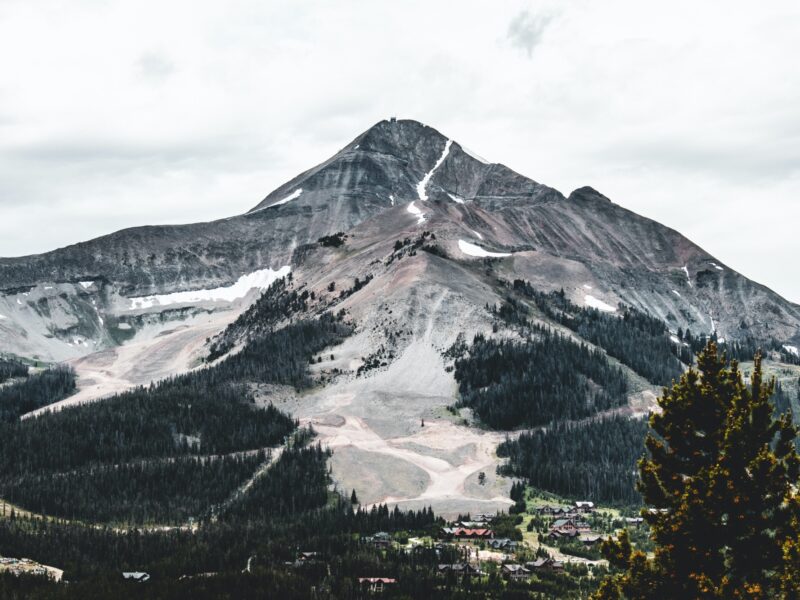
5 Things You Should Know Before Moving to Big Sky
Here are 5 things your real estate agent might not tell you about life in Big Sky.
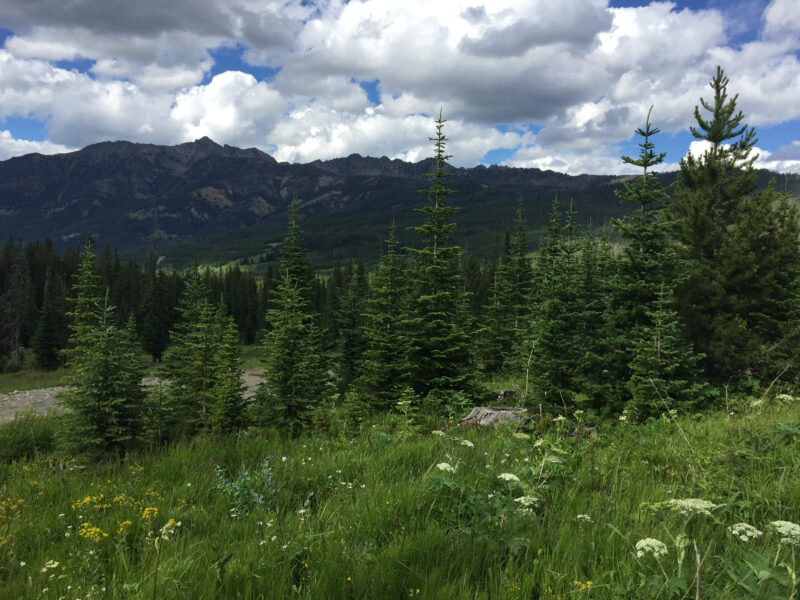
Land For Sale in Big Sky
Browse land for sale in Big Sky and explore opportunities to build in one of Montana's most sought after markets.
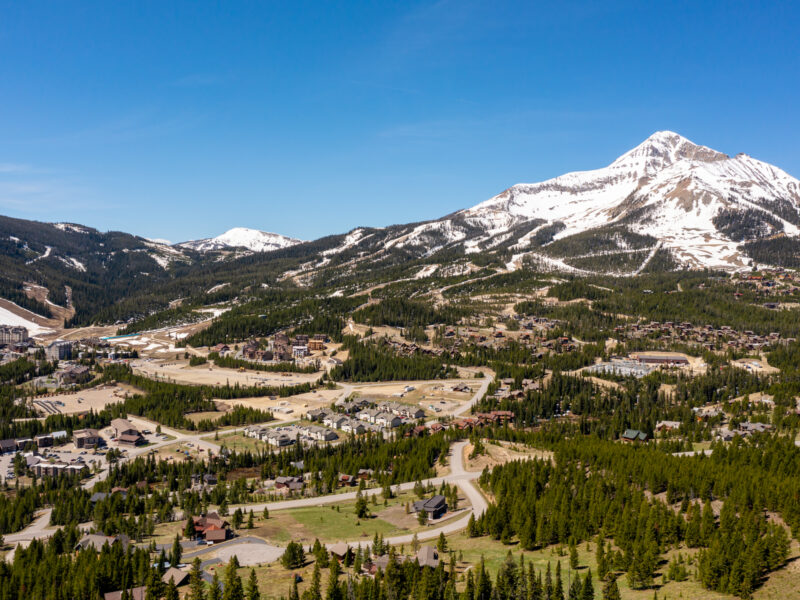
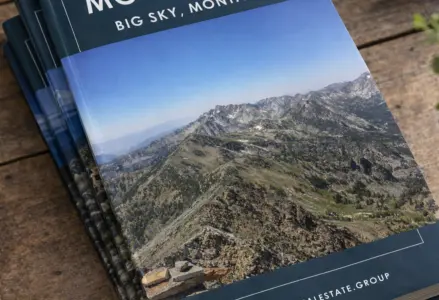
A Free Guide to Moving
to Big Sky, MT
Get a local perspective on life in Big Sky. This free guide covers the different areas, key neighborhoods, market insights, and what it’s really like to live here year-round.
FAQ's About Big Sky, Montana
Big Sky is widely known as a destination market, but it is also home to a year-round community with schools, local businesses, events, and the everyday services that make full-time living possible.
Most people think of Big Sky in terms of broad areas rather than traditional neighborhoods, with Town Center, Meadow Village, Mountain Village, Spanish Peaks, and Moonlight Basin being some of the most recognizable places to start.
Town Center is Big Sky’s most walkable commercial hub, Meadow Village generally offers a more established residential and golf-oriented setting, and Mountain Village is the resort-centered area closest to ski access and base-area amenities.
Big Sky is roughly 45 miles south of Bozeman, and Big Sky Resort is a little over an hour from Bozeman Yellowstone International Airport, depending on conditions and exactly where you are staying.
Big Sky sits close to Yellowstone in regional terms. The park boundary is about 15 miles away, but the West Entrance to the park in West Yellowstone is about 50 miles south, an hour and 15-minute drive.
In most cases, yes. Some visitors and owners can get by without one if they stay in Mountain Village or Town Center, but Big Sky Resort notes that many properties require a car, rideshare is not reliably available, and transportation should be arranged in advance.
Some parts are, but Big Sky as a whole is not especially walkable in the way a traditional town is. Town Center and Mountain Village offer the strongest walkable, mixed-use environment, while other areas are more spread out and lifestyle-driven.
For many buyers, yes. Big Sky is one of Montana’s most established destination markets, and its appeal tends to center on recreation access, limited supply in key areas, and the ability to use a property for seasonal or long-term lifestyle ownership.
Yes. Big Sky has its own public school district, Big Sky School District, which serves local families year-round.
Big Sky is generally more destination-oriented, resort-driven, and dispersed, while Bozeman functions more like a traditional city with a larger full-time population, broader everyday services, and more conventional neighborhoods.